Navigating Perimenopausal Acne: Understanding The Shifts And Supporting Your Skin Naturally
This article is originally published on Floryn Health. To view the original post, please visit NAVIGATING PERIMENOPAUSAL ACNE: UNDERSTANDING THE SHIFTS AND SUPPORTING YOUR SKIN NATURALLY
by Dr. Andrea Del-Olmo in hormone health / Perimenopause Posted on 09/02/2025 03:39 PM
As women move through their 30s, 40s, and into their 50s, it’s common to notice changes not just in mood or menstruation, but also in skin health. One often frustrating symptom that many don’t expect to revisit from their teenage years is acne. Whether it’s new breakouts along the jawline or persistent cystic bumps, perimenopausal acne can be both physically and emotionally challenging.
Let’s explore why these breakouts happen during hormonal transitions, and how you can support your body through diet, lifestyle, herbs, supplements, and, when appropriate, medical interventions.
HORMONAL CHANGES ACROSS THE MENOPAUSAL JOURNEY
To understand perimenopausal acne, it helps to first look at what’s happening hormonally:
- Premenopause (typically until your late 30s or early 40s): Estrogen and progesterone are still cycling consistently, but stress, nutrient depletion, and environmental exposures can begin to dysregulate balance.
- Perimenopause (usually mid-40s to early 50s): This is a transitional phase where hormone levels fluctuate unpredictably. Estrogen tends to dip unevenly, progesterone declines steadily, and androgens (like testosterone and DHEA) may become more dominant in relation.
- Postmenopause (around 12 months after your final menstrual period): Hormone levels stabilize at lower levels, but some women still experience lingering androgen dominance or inflammatory issues that affect the skin.
These shifts in hormones, particularly an increase in the androgen-to-estrogen ratio, can stimulate sebaceous (oil) glands and increase keratin production in pores, creating the perfect environment for clogged pores and breakouts.
WHAT IS HORMONAL ACNE AND WHY DOES IT SHOW UP NOW?
Hormonal acne typically presents as:
- Deep, cystic bumps, often tender to the touch
- Concentrated along the jawline, chin, and neck
- Flares around menstrual cycles (if still occurring)
- Persistent and resistant to over-the-counter treatments
In perimenopause, this type of acne is largely driven by androgen dominance, stress-induced cortisol spikes, and systemic inflammation. As estrogen and progesterone fall, their moderating effects on oil production and inflammation diminish.
NUTRITIONAL CONSIDERATIONS TO OFFSET SYMPTOMS
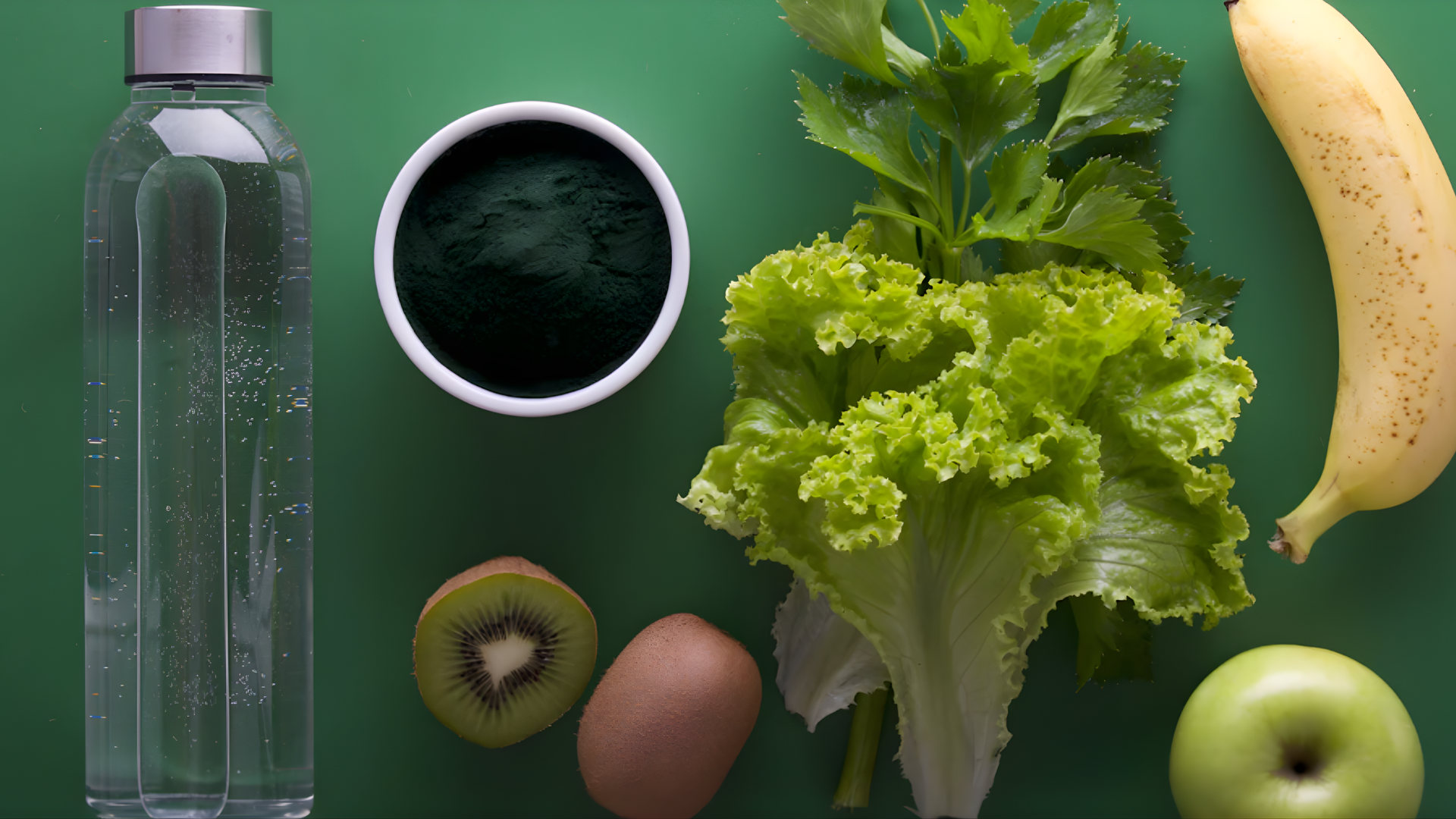
Food is foundational to hormonal balance. Here are a few dietary strategies that can help:
- Support the liver: Cruciferous vegetables (broccoli, cauliflower, kale, Brussels sprouts) help the liver metabolize hormones effectively.
- Balance blood sugar: Steady blood sugar helps reduce insulin spikes, which in turn helps regulate androgen levels. Focus on high-fiber foods, protein with each meal, and healthy fats.
- Include zinc-rich foods: Pumpkin seeds, oysters, and lentils can help reduce inflammation and support skin healing.
- Reduce dairy and sugar: These can be acne triggers for many, especially if gut integrity or hormone metabolism is compromised.
LIFESTYLE CONSIDERATIONS
Daily habits have a huge impact on how your body handles hormonal transitions:
Prioritize sleep: Hormone regulation and skin repair both happen during deep sleep.
Manage stress: Chronic stress elevates cortisol, which can throw off your entire hormonal cascade. Try yoga, meditation, or even short daily walks to bring cortisol down.
Stay hydrated: Hydration supports skin health, detoxification, and hormone transport.
Movement matters: Regular exercise helps regulate blood sugar, reduce inflammation, and support detox pathways—all critical for skin and hormone health.
HERBS THAT CAN HELP
Herbal medicine offers gentle but effective support during this stage of life:
- Vitex (Chaste Tree Berry): Helps balance progesterone and reduce androgen dominance.
- Licorice root: Supports adrenal health and can modulate androgen levels (caution in those with high blood pressure).
- Spearmint: Has anti-androgenic effects and may reduce hormonal acne.
- Burdock root and dandelion: Support liver detoxification, which is key for clearing excess hormones from the body.
- Saw Palmetto: Can help reduce androgen-related skin symptoms.
Always consult with a licensed naturopath or herbalist to determine which herbs are appropriate for you, especially if you're on medications.
SUPPLEMENTS THAT MAY HELP SKIN AND HORMONE BALANCE
While food and lifestyle form the foundation, targeted supplements can accelerate healing:
- Zinc: Anti-inflammatory and essential for skin repair (often deficient in acne-prone individuals).
- DIM (Diindolylmethane): A compound from cruciferous veggies that helps metabolize estrogen and reduce excess androgens.
- Omega-3 fatty acids: Reduce inflammation and support hormonal regulation.
- Probiotics: Gut health directly affects skin health and hormone metabolism.
- Vitamin B6: May support progesterone and reduce PMS-related acne.
- Magnesium: Helps with stress resilience, hormone balance, and sleep quality.
A NOTE ON TOPICAL ESTROGEN CREAMS FOR AGING SKIN
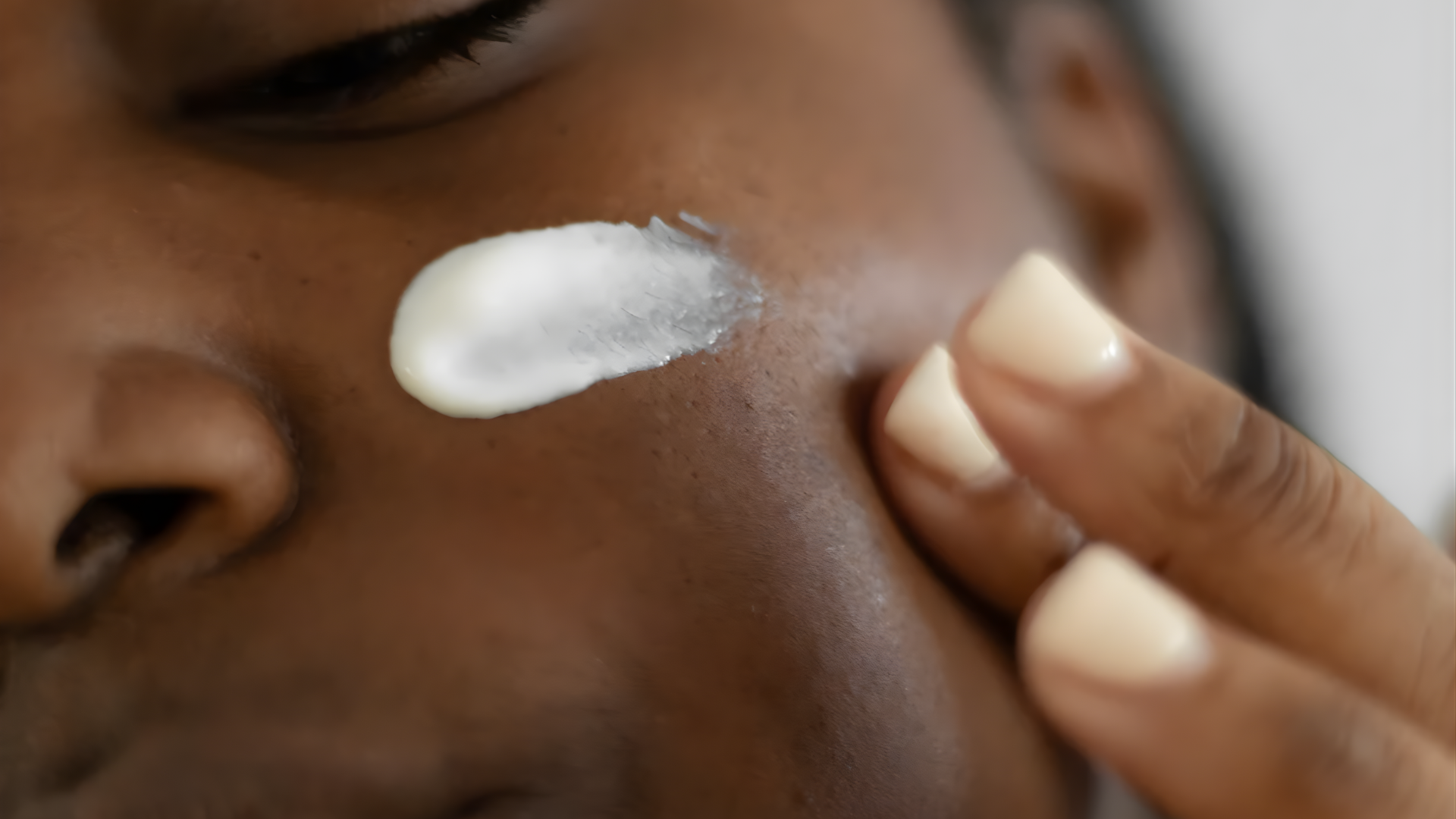
While not traditionally used for acne, topical estrogen creams are gaining attention in dermatology and integrative women’s health for their ability to improve skin quality during the menopausal transition. These creams are applied directly to the face and are distinct from systemic hormone replacement therapy (HRT) in that they act locally, with minimal systemic absorption when used appropriately.
How estrogen creams work:
Estrogen plays a key role in skin health. It supports:
- Collagen production and maintenance
- Skin thickness and elasticity
- Hydration and barrier function
- Wound healing and vascularization
As estrogen levels decline in perimenopause and postmenopause, many women notice skin that is thinner, drier, and less resilient, all of which can exacerbate both aging and inflammatory skin conditions, including acne.
Topical estrogen (most commonly estradiol or estriol) can help restore some of these qualities by acting locally on estrogen receptors in the skin, promoting a more youthful texture, better hydration, and potentially calming inflammation.
Is There a Role in Acne?
While topical estrogen isn’t a first-line treatment for acne, there may be indirect benefits, especially in perimenopausal women experiencing both aging-related skin changes and hormonal breakouts. By improving skin barrier function and reducing inflammation, topical estrogens may enhance the skin’s ability to heal and buffer against hormonal fluctuations.
That said, it’s important to monitor for potential sensitivity, unwanted hair growth, or hormonal side effects, particularly in women with a history of hormone-sensitive conditions. As always, personalized care and appropriate clinical oversight are key.
What Does the Research Say?
Emerging research supports the use of low-dose topical estrogens for improving facial skin thickness, elasticity, and collagen density in postmenopausal women. A few small studies and dermatology reviews have shown promising results, though larger clinical trials are still needed. Estriol, in particular, has shown favorable safety and skin-enhancing properties.
Bottom Line: Topical estrogen creams can be a helpful adjunct for perimenopausal and postmenopausal women looking to support skin aging and improve overall skin integrity. While not a direct treatment for hormonal acne, they may support skin healing and resilience, and are worth discussing with a provider familiar with both hormonal therapy and dermatologic care.
If you’re curious whether topical estrogen is right for you, feel free to bring it up during your appointment, we’re always happy to explore safe, evidence-based options for supporting your skin and hormone health.
WHEN TO CONSIDER PHARMACEUTICAL OR MEDICAL INTERVENTIONS
In some cases, natural approaches may need to be complemented by medical support, especially for persistent or cystic acne. Options may include:
Spironolactone: A medication that blocks androgen receptors in the skin, reducing oil production.
Topical retinoids: Help unclog pores and speed skin cell turnover.
Low-dose oral contraceptives: Sometimes used to balance hormone levels (though not suitable or ideal for everyone).
Hormone replacement therapy (HRT): In carefully selected cases, bioidentical hormones may help stabilize hormonal fluctuations and improve skin health.
As a naturopathic doctor, I always aim to explore the root cause before turning to pharmaceuticals—but they can be a helpful tool in the right context.
IN SUMMARY
Perimenopausal acne is not just “adult acne.” It’s a sign of deeper hormonal imbalances that can be addressed naturally through food, lifestyle, herbs, and supplements—with medical options available when needed. Your skin is a reflection of your inner health, and it deserves care, patience, and a personalized plan.